Guide
How to find a clothing manufacturer for a small brand
For founders with designs and a first tech pack: the production models, where to look, how to vet a factory, minimum orders, samples, quotes, red flags, and what to do when the first run arrives.

 By Elena Varga
 · Reviewed by Sofia Moretti |Fact-checked|13 min read
Key takeaways
- 1Pick the production model before the manufacturer: print on demand, blanks, cut, make and trim (CMT), or full package.
- 2Contact makers with a tech pack, quantities and a target cost. Vet with references, a live factory call and a paid sample.
- 3Compare quotes on landed cost, not the factory price. Photograph the approved sample, and your pre-order pages can go live before stock lands.
10 free photos, no card. Photos as low as $0.25 each.
On this page+
How do you find a clothing manufacturer?
The short answer
To find a clothing manufacturer, first decide what kind of maker you need and prepare a tech pack, quantities and a target cost. Then build a long list from B2B directories, trade shows, local garment districts and referrals. Vet the best few with references and a live factory call, and pay for a sample before you order a production run.
Makers answer brands that look ready to order, so the brief comes before the search. Still deciding between making and reselling? Read starting a clothing brand or how to start an online boutique.
Which kind of manufacturer do you need?
The short answer
Small clothing brands use four production routes: print on demand, blanks plus decoration, cut, make and trim (CMT), and full package. The further down that list, the more of the garment is your own design, and the more the maker needs from you.
| Route | What the maker does | What you supply | Best for |
|---|---|---|---|
| Print on demand | Prints your design on its own blank when an order comes in, and ships it | Artwork only | Testing designs with no stock |
| Blanks + decoration | A printer or embroiderer decorates finished blank garments you buy | Artwork, blank choice, quantities | Graphic tees, hoodies, caps |
| Cut, make and trim (CMT) | Cuts and sews your pattern; you buy and deliver fabric and trims | Tech pack, pattern, fabric, trims, labels | Founders who can source fabric |
| Full package (FPP) | Sources fabric and trims, makes patterns and samples, sews and packs | Tech pack and approvals | First-time founders who want one partner |
Cut and sew companies, CMT and full package: the difference
“Cut and sew” means making a garment from fabric, not decorating a finished blank. Cut and sew companies sell it in two ways: CMT and full package.
A CMT maker is cheaper per piece but leaves fabric, trims, labels and often patterns to you. A full package maker handles all of it and charges for that in the unit price, with fewer hand-offs that can go wrong.
If your pieces are graphic tees and hoodies, you may not need a factory at all yet. Print-on-demand clothing lets you test designs with no stock, then move the proven ones to blanks or cut-and-sew once you know what sells.
Step 1: What should you prepare before you contact a manufacturer?
The short answer
Before you contact a clothing manufacturer, prepare a tech pack for each style, your quantities per size and color, a target cost per piece, the fabric you want and the date you need stock. Makers price from these details. Without them you get vague quotes or no reply.
The tech pack is the document the factory builds from: sketches, a measurement chart per size, fabric, trims, artwork placement and labels. Build your first email from this list:
- A one-line intro: your brand, your customer and where you sell.
- The tech pack for each style, or at least sketches, measurements and fabric.
- Quantities per style, per color and per size for the first run.
- Your target cost per piece, delivered.
- The fabric you want, or a reference garment you can post to them.
- Your launch date, and when you need stock in hand.
Work out your target cost first
Work backwards from your retail price: take off your margin, platform and payment fees, shipping and returns. What is left is the most a piece can cost you, delivered. A maker who cannot get near it is the wrong one, however good the samples.
Plan the labels with the factory
US clothing labels need three things under the FTC’s textile labeling guide: fiber content, country of origin, and either your company name or an RN, a number the FTC issues only to US firms. Care labels fall under a separate FTC rule. Agree every label with the maker before sampling; the tech pack guide shows where each one goes. Selling outside the US? Your country sets its own label law.
Step 2: Where do you find clothing manufacturers for small brands?
The short answer
Small brands find clothing manufacturers in five places: online B2B directories and marketplaces, apparel and fabric trade shows, local garment districts, referrals, and LinkedIn or Instagram. Use several at once and build a long list of ten or more before you shortlist.
- B2B directories and marketplaces. Searchable lists of makers by country, garment and service. Fast, but a listing is marketing, not proof.
- Trade shows. Apparel sourcing and fabric fairs put many makers in one hall, so you can feel fabric and meet the people you would work with. Bring your tech packs.
- Local garment districts. Many cities have small workrooms and sample makers. Working close by costs more per piece but makes fittings, visits and small runs easier.
- Referrals. Ask founders a step ahead of you, pattern makers, fabric suppliers and printers who they trust. Referrals are often the best leads you will get.
- LinkedIn and Instagram. Many makers post their floor and recent work. Look for real production content and an account with a long history.
Local makers are simpler for small runs, fixes and visits. Overseas makers can offer a lower unit price but add freight, duties, longer lead times and harder quality checks, so compare both on landed cost (Step 6).
Step 3: How do you vet a cut and sew manufacturer?
The short answer
To vet a cut and sew manufacturer, ask for work like yours, speak to brands it produces for, and see the floor in person or on a live video call. Check capacity, certifications and how fast it replies. Then pay for one sample: how a maker handles a small sample shows how it will handle your run.
Questions for the first call
- Which garments like mine have you made recently? Can I see them?
- Can I speak to one or two brands you produce for?
- Is this made in your own facility, or passed to another one?
- What is your minimum per style and per color, and what raises or lowers it?
- What do samples cost, how many rounds are included, and how long does each take?
- How do you check quality before shipping, and what happens if pieces fail?
- Who will I talk to day to day, and how fast do they reply?
Visit, or walk the floor on video
If you cannot visit, ask for a live video call that walks the cutting tables, sewing lines and packing area, with garments like yours on the line. A live walk-through is harder to fake than photos.
Audits, certifications and capacity
A social compliance audit checks working conditions, pay, hours and safety. A product certification covers materials, such as organic fiber. Neither proves sewing quality, so ask who issued it and for a copy. Then ask how full the calendar is around your dates: a very large maker may put a small order at the back of the queue.
Step 4: Minimum order quantity for clothing: what it is and how to negotiate it
The short answer
A minimum order quantity (MOQ) is the smallest order a maker will accept, usually per style and per color. There is no standard number: it depends on the garment, the fabric and the factory. Small brands lower it with fewer colors, shared fabric, fabric the maker already stocks, or a higher price per piece.
MOQs exist because setting up a line has a fixed cost, and fabric mills and trim suppliers set their own minimums too. So a maker may accept a small run of a plain tee but not of a dress in custom-dyed fabric.
How small brands negotiate minimums
- Ask what the minimum applies to: per style, per color, per fabric or per order. A per-fabric minimum can be spread over two styles.
- Cut the colorways. One style in one color is the easiest small run.
- Use stock fabric. Fabric the maker or mill already holds avoids a dyeing minimum.
- Offer to pay more per piece for a first run below the minimum.
- Show your reorder plan. Makers value a likely second order.
- Look for makers that sell small runs. Some small batch clothing manufacturers are built for new brands. Expect a higher unit price in exchange.
Step 5: How does sampling work, and what do you pay for?
The short answer
In clothing sampling, you pay for the pattern, then for each sample round, until a sample matches your tech pack. The approved sample becomes the reference the production run must match. Ask up front what each round costs, how many are included, and whether sample fees count toward your first order.
- Pattern. The maker, or your own pattern maker, turns the tech pack into a pattern. Agree in writing who owns it.
- First sample. Often called a proto. Check it against every measurement in the tech pack, not by eye.
- Fit on real people. Across your size range. Watch them sit, reach and turn.
- Corrections. Write every change into the tech pack, with photos, not in a chat thread. Then the next round.
- Wash test. Shrinkage, color bleeding, prints cracking, seams twisting.
- Approval sample. Sign it off, keep one yourself, and ask the maker to keep a sealed copy on the line.
Ask for a pre-production sample sewn from the actual production fabric before the full run is cut. It catches fabric changes before they are in every piece.
Step 6: How do you compare quotes? FOB, landed cost and what is included
The short answer
To compare clothing manufacturer quotes, ask every maker to quote on the same terms and quantities. Then compare landed cost per piece: the factory price plus freight, insurance, duties, taxes and fees until the goods reach you. The cheapest factory price is often not the cheapest piece.
The terms on a quote
Quotes for overseas production usually name an Incoterm. Incoterms are 11 rules, issued by the International Chamber of Commerce, that define the responsibilities of sellers and buyers, according to the International Trade Administration’s Incoterms guide. Three you will meet:
- FOB (Free on Board). The seller’s price covers all costs up to and including loading the goods aboard a vessel at a named port of export, per the government’s FOB definition, which adds that FOB is used only for ocean shipments and the seller clears the goods for export. Everything after loading is yours.
- EXW (Ex Works). Names a place of delivery. Ask the maker exactly where that is, and what you must arrange from there.
- DDP (Delivered Duty Paid). Names a place of destination. Ask what the price includes before you set it beside an FOB quote.
From quote to landed cost
Landed cost is the total price of a product once it arrives at the buyer’s door: the original price, insurance, freight, tariffs and taxes, and other fees, per trade.gov’s export pricing guide. Divide that total by the pieces that pass your quality check, not the pieces ordered.
Duties start with a code. The first step in finding a duty rate is to identify the product’s Harmonized System (HS) code, according to trade.gov’s tariffs overview. Ask your maker or customs broker which code fits each garment.
For each quote, check what is in the unit price and what is extra:
- Fabric, trims, labels, hang tags and packaging.
- Pattern grading across your sizes.
- Printing or embroidery, if it is done elsewhere.
- Quality inspection before shipping.
- Payment terms: how much up front, and how much on delivery.
Step 7: What should the agreement with your manufacturer cover?
The short answer
An agreement with a clothing manufacturer should cover price, quantities per size and color, the approved sample as the standard, quality checks, labels and packing, the delivery date, payment terms, what happens if pieces fail, and who owns the designs and patterns. This is general guidance, not legal advice.
- A purchase order for every run, referencing the tech pack version and the approved sample.
- Confidentiality. A non-disclosure agreement before you share tech packs.
- Ownership. Your designs, artwork and the patterns you paid for are yours, and the maker will not sell your styles to anyone else.
- Defects. What counts as a defect, what share of the run can fail, and whether faulty pieces are remade or refunded.
Register your brand where you make and sell. Most IP rights are territorial: a US patent or trademark only protects you in the United States, according to STOPfakes.gov, run by the International Trade Administration. Protection in other countries often means registering there too. Have a lawyer read anything you sign.
Red flags when choosing a small batch clothing manufacturer
The short answer
The biggest red flags in a clothing manufacturer are promises made before it has seen your tech pack, refusing to sample, and pressure to pay in full early. Vague quotes, slow replies and claims on your patterns are close behind.
Yes to everything
Every fabric, every trim, any quantity, any date, before they have seen your tech pack.
No sample, straight to production
A maker that wants to skip sampling is asking you to approve something you have never held.
Nothing to show
No photos or videos of the floor, no example garments, no brands willing to talk to you.
Pressure to pay now
Discounts that expire today, or full payment before a sample is approved.
Vague quotes
One number with no terms: you cannot tell whether freight, trims, labels or packing are included.
Slow, then silent
Replies that take longer every week, before you have even paid. It rarely improves after.
Asks to own your pattern
Terms that let the factory reuse or sell your design, or keep the pattern you paid for.
How long does it take from first email to finished stock?
The short answer
Going from first email to finished clothing stock takes longer than most founders plan for. Vetting, two or more sample rounds, fabric sourcing, the production run, quality checks and shipping each take time. Ask every maker for its timeline, stage by stage, and plan your launch date back from it.
Leave slack at every stage, and announce no launch date until the approval sample is signed off. Photos need not wait for stock: launch collections faster shows how to go live from the approved sample.
Step 8: What do you do when the first production run arrives?
The short answer
When the first production run arrives, check a share of it against the approved sample, piece by piece. Your product photos do not have to wait for it: they can come from the approved sample.
Check the run against the approved sample
Measure pieces from several sizes against the tech pack, compare color and print with the approved sample in daylight, and check seams, labels and packing. Send any failures, with photos, to the maker at once.
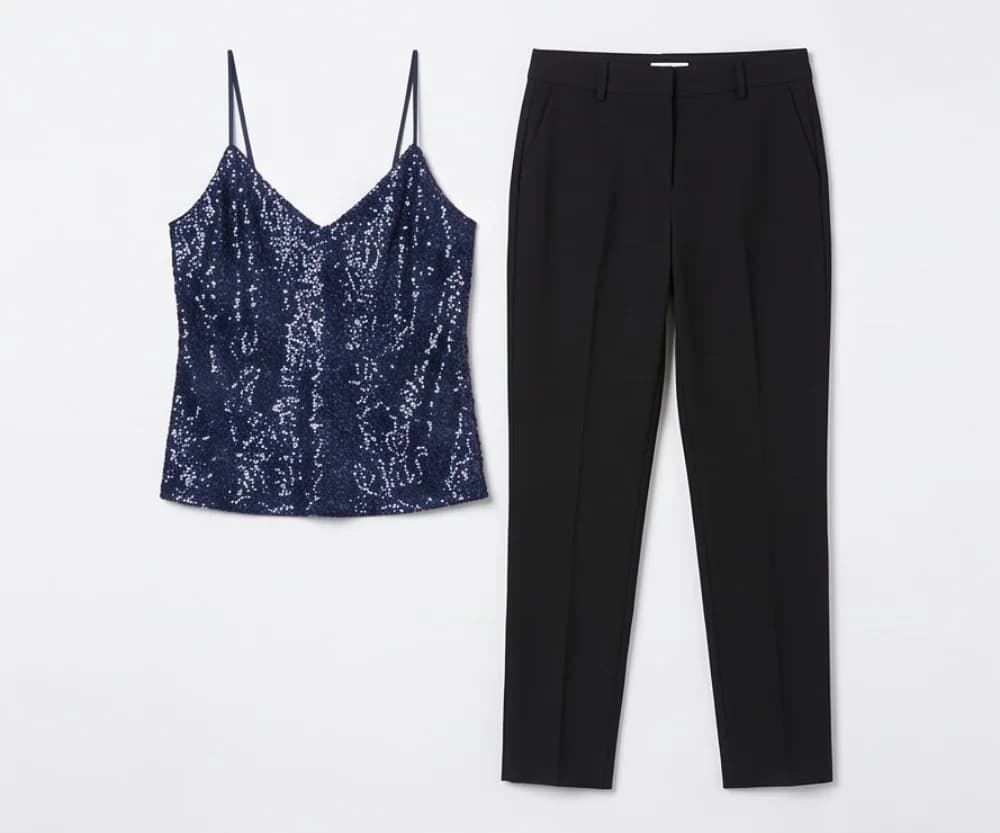
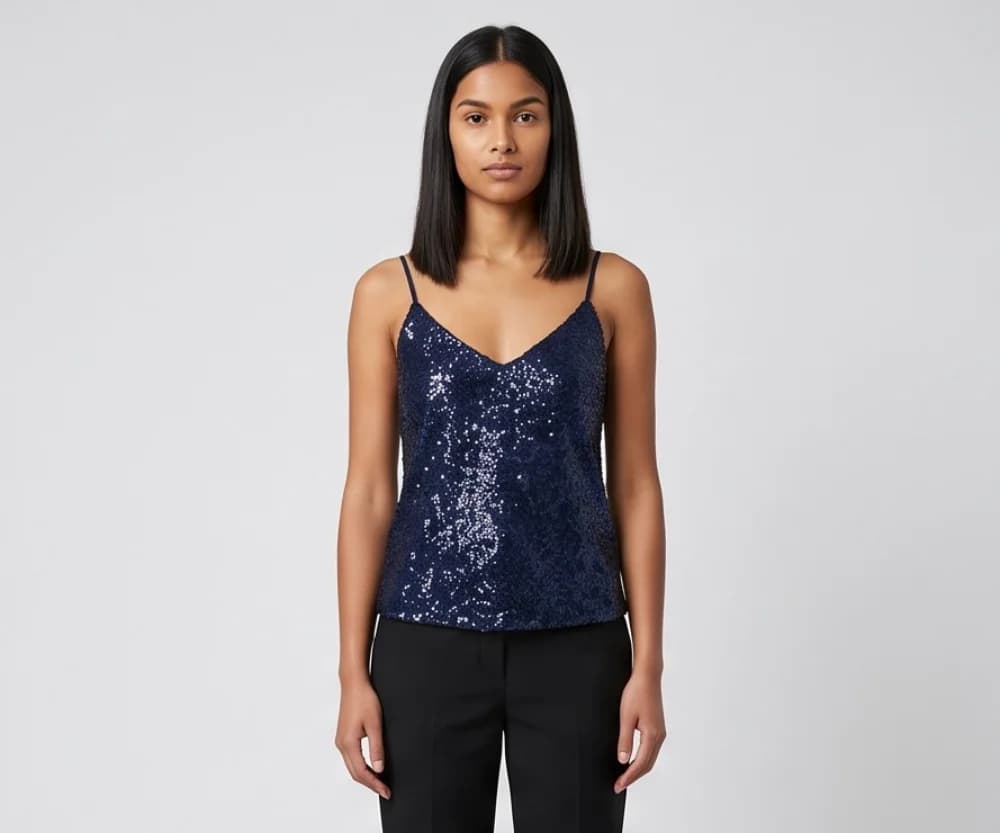
Photograph the samples and production pieces
Lay each piece flat by a window, on a plain background, with the whole garment in frame. With Tryly’s AI clothing photography, you upload that flat, hanger or mannequin photo and choose one of 500+ models, or your own model or yourself.
 Before
 After
AfterOne model across the collection
A new label looks like one brand when the whole range is worn by one face. Choose that model once and reuse it for each style; on a paid plan a “Same model” button brings the last one back in a click.
The collection demo puts ten garments on a single model and then moves the whole set to another. Use the images on pre-order pages, product pages, launch posts and a lookbook.
The cost is small next to a production run. One photo is one credit: a first drop of 14 styles with three photos per style is 42 photos, or $10.50 at Tryly’s lowest rate of $0.25 per photo.
Photos made on a paid plan can be used on your store, in ads and on social media. Before you post any image on a marketplace, read that marketplace’s listing photo policy.
Questions about finding a clothing manufacturer
How do I find a clothing manufacturer for a small brand?+
Choose a production model first (print on demand, blanks, CMT or full package) and prepare a tech pack and quantities. Build a long list from B2B directories, trade shows, garment districts and referrals, vet the best few with references and a live factory call, and sample before you commit to a run.
What is the difference between cut and sew and full package?+
A cut-and-sew or CMT (cut, make and trim) maker cuts and sews your pattern from fabric and trims you supply. A full package maker also sources the fabric and trims and usually makes the pattern and samples, so you deal with one partner and pay for that service in the unit price.
What is a typical minimum order quantity for clothing?+
There is no single number: each maker sets its own, often per style and per color, and it depends on the fabric, the garment and how busy the factory is. Ask every maker for its minimum in writing, and ask what would lower it, such as fewer colors or a fabric it already stocks.
How much do clothing samples cost?+
Sample costs vary by maker and garment, so ask before you send the tech pack. Expect to pay separately for the pattern and for each sample round, and ask whether sample fees count toward your first production order.
What does FOB mean on a clothing quote?+
Free on Board. According to export.gov, the seller’s FOB price covers all costs up to and including loading the goods aboard a vessel at a named port of export. Freight, insurance, duties and fees after that are yours, so add them to compare quotes on landed cost.
How do I protect my designs when working with a factory?+
Write ownership of your designs and patterns, confidentiality and a ban on selling your styles to others into the agreement, and keep dated copies of your tech packs. Most IP rights are territorial, so a US trademark only protects you in the US. For anything binding, ask a lawyer.
Can I get product photos before production arrives?+
Yes. Photograph the approved sample flat in daylight and put it on a model with Tryly, keeping the same model across the collection, so pre-order and launch pages are ready before stock lands. Start with 10 free photos, no card.
Sources: International Trade Administration, Know Your Incoterms; export.gov, Free on Board (FOB); trade.gov, Determine Total Export Price; trade.gov, Import Tariffs & Fees; STOPfakes.gov, Protecting Your IPR; FTC. This guide is general information, not legal or customs advice.
Written by
Elena Varga
Head of Content, Tryly Academy
Former e-commerce photo producer who ran catalogue shoots for fashion labels for over a decade. Writes the Academy’s guides.
- 11 years in fashion e-commerce
- 1,200+ catalogue shoots produced
Expert review
Sofia Moretti
Fashion photographer · Expert reviewer
Has shot campaigns and on-model e-commerce for fashion brands for 14 years. Reviews every Academy article for accuracy.
- 14 years in fashion photography
- Campaign and catalogue work across Europe
How we work: every Academy article is written by a specialist, reviewed by a working fashion photographer, and re-checked against its sources when prices or rules change.